
Why it matters
The producer
The estate’s central grape is Trepat, a native variety closely associated with Conca de Barberà. Mas Foraster uses it alongside Macabeo, turning estate-grown fruit into a range of wines that separates different vineyard identities and ageing choices rather than treating every Trepat bottling alike.
The family estate is older than its modern winery. Josep Foraster, born in 1960, planned a renovation and made the first wine in 1998. That decision changed the role of the property: fruit from a long-established farm began to leave Montblanc as Mas Foraster bottles, with Trepat and Macabeo at the centre of the work.
Place and vineyards
Where the wines begin
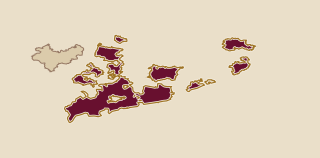
Montblanc places Mas Foraster inside the Conca de Barberà DO, where Trepat is a regional grape rather than an occasional addition to a blend. That local relationship matters in the glass: Trepat-led wines provide the producer’s main red-wine thread, while Macabeo gives the range another white-grape register.
The Mas Foraster property has documented vineyards and olive groves from 1828. Today, every grape used by the winery comes from that estate, linking the land under vine directly to the fruit fermented in the cellar rather than to purchased parcels from elsewhere in the appellation.
In the cellar
Vineyards and cellar
Mas Foraster farms organically and works only with estate fruit. Spontaneous fermentation lets naturally occurring yeasts begin the ferment, while minimal sulfite additions keep the cellar approach measured. Together, those choices put the emphasis on ripe grapes, fruit character and the differences between individual Trepat wines rather than a heavily standardised cellar signature.
Wines to know
The range in view
The range is built around several Trepat wines, each with its own composition, vineyard identity and élevage. That architecture matters because Trepat is not presented as one fixed flavour: bottle choices can move the grape through different fruit, herb and spice expressions, and ageing can alter body, texture, tannin and finish.
La Moto is one of the named wines in the portfolio. Its documented vineyard, vinification and ageing details make it a useful example of the estate’s bottle-by-bottle approach, while published notes on the 2023 show red fruit, herbs and spice in a wine of moderate weight.
A useful way in
A bottle to begin with
Start with Mas Foraster La Moto. It is a named estate wine with a documented vineyard and cellar story, and its 2023 profile is concrete: fruit, herbs, spice and moderate body, with an easy-drinking palate. It introduces Trepat through flavour and texture while leaving room to explore the producer’s other Trepat bottlings afterwards.