
Why it matters
The producer
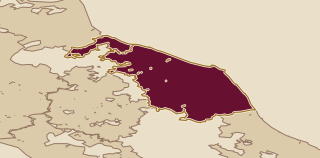
Tenuta di Tavignano makes its argument through a single grape on a hilltop nobody expected to matter. The estate sits at Località Tavignano in Cingoli, a town in the province of Macerata in the Marche region of central Italy, and its case rests on Verdicchio: a white variety that the broader wine market long filed under fresh and inexpensive and which Tavignano has spent two decades showing can do something else entirely.
Stefano Aymerich di Laconi and Beatrice Lucangeli founded the estate. Its 230 hectares include 30 planted to vine, growing Verdicchio, Montepulciano, Sangiovese and other native varieties. Ondine de la Feld Aymerich, a member of the succeeding family generation, became CEO in 2021. Misco is a single-vineyard Verdicchio dei Castelli di Jesi Classico Superiore drawn from three hectares of the estate's finest Verdicchio parcel.
Place and vineyards
Where the wines begin
Cingoli sits on a ridge in the Macerata hills, and that elevation is the first thing that shapes what Tavignano's Verdicchio tastes like. The estate receives breezes from two directions: off the Adriatic to the east and down from the Apennines to the west. The meeting of those air currents extends the growing season, slows ripening and keeps acidity alive in the grapes through summer heat.
The Misco parcel covers three hectares of the estate's best Verdicchio ground. The Cingoli hills are calcareous clay, a combination that holds moisture through dry summers and gives the vine enough stress to concentrate flavour without shutting down. That same mineral base shows in the wine: Verdicchio from this zone tends toward citrus and white fruit with a chalky, saline quality on the finish, less a matter of oak or winemaking choice than of what the soil and the dual-breeze microclimate do to the grape over a long growing season.
In the cellar
Vineyards and cellar
Organic management across 30 hectares shapes the vine's relationship with the soil. Green manure between rows feeds microbial life rather than the vine directly, pushing roots deeper toward the calcareous subsoil. That soil contact shows in the wine as mineral definition rather than fruit weight.
In the modern cellar, Misco ferments in stainless steel and rests on fine lees before bottling. The length of that lees contact varies by vintage; the producer has used both a six-month programme and longer ageing in different years, adjusting to what the fruit needs. What stays constant is the absence of oak: the underground vessels maintain cool, stable conditions throughout, and the wine picks up its texture from the lees rather than from wood. The producer says Misco can be kept in the cellar for over ten years.
Wines to know
The range in view
Verdicchio is the estate's main focus and the vine around which the range is organised. Misco sits at the top: a single-vineyard Classico Superiore, 100% Verdicchio, drawn exclusively from the three-hectare Misco parcel. It typically ferments and ages in underground stainless steel on fine lees, a process that builds texture and length without oak character. The wine carries citrus, white peach and a saline mineral note across the palate, with bright acidity and a firm, dry finish. It is built to age as well as to drink young, and the estate claims more than a decade of development potential in good vintages.
Below Misco, the estate produces wines from Verdicchio and from its red varieties under the Verdicchio dei Castelli di Jesi and broader Marche appellations. The Montepulciano and Sangiovese bottlings, aged in oak in the manor-house cellar, tend toward darker fruit, firmer tannin and more body than the white wines, with the barrique ageing adding vanilla and spice to what is already a thicker-skinned variety.
A useful way in
A bottle to begin with
Misco Verdicchio dei Castelli di Jesi Classico Superiore is the bottle to start with. It is 100% Verdicchio from three hectares of a single named parcel in Cingoli, aged in underground steel on fine lees without oak contact. In the glass it gives citrus, white peach, a saline finish and the slightly bitter almond close that marks good Classico Superiore. The acidity is bright and integrated, and the mid-palate has enough lees-derived texture to feel complete rather than lean. It works now, and it develops over a decade.