
Why it matters
The producer
Martin Obenaus is a Glaubendorf grower-producer: the vines, grapes and winery belong to one estate. That control over 20 hectares means MO Rot and Unchained Rot begin with fruit grown by the producer rather than bought-in grapes, while their different weight and tannin are shaped as separate red-wine choices.
Since taking over management in 2014, Obenaus has made “Unchained” the working idea behind the estate. Biodynamic farming and Demeter certification place vineyard health before routine intervention; the wine consequence is a range whose lighter and more structured reds are both rooted in estate-grown fruit.
Place and vineyards
Where the wines begin
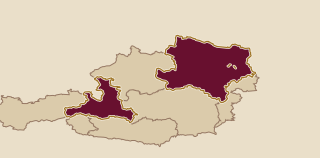
Glaubendorf sits in Lower Austria, and Raisin places the estate in Weinviertel. The useful label connection is direct: Weingut Martin Obenaus names the producer and Glaubendorf names the home base, while Zweigelt supplies the central documented grape in its red wines.
No named vineyard or appellation hierarchy is documented here. Instead, place is expressed through one continuous estate: 20 hectares under vine, farmed and harvested for wines made from the producer’s own grapes.
In the cellar
Vineyards and cellar
Organic and biodynamic farming, Demeter certification, dry farming and manual harvest make vineyard work the first stage of each bottle. Because the estate grows all its own grapes, decisions from picking through fermentation stay within the same Glaubendorf operation.
For Unchained wines, maturation may take place in stainless steel or in old wooden vessels up to 4,000 litres. Stainless steel and large old wood are practical cellar tools rather than flavour claims: the documented result to follow is the red range’s contrast between MO Rot’s acidity and Unchained Rot’s fuller tannin and body.
Wines to know
The range in view
The red range has a clear internal progression around Zweigelt. MO Rot is the lighter starting point: the producer describes cherry fruit and marked acidity, with service that can include a slight chill. Some versions may include a white-wine component, a cuvée detail that can add lift beside the red fruit.
Unchained Rot moves toward a deeper Zweigelt expression. It is described as more structured than MO Rot, with more tannin and weight, so the range moves from a brighter, more immediate red toward firmer grip and a fuller palate.
A useful way in
A bottle to begin with
Start with MO Rot. It is the estate’s entry-level red, built around cherry character and marked acidity, with a light enough shape to serve slightly chilled. That serving detail makes its role clear: this is the bottle for meeting Obenaus’s red-wine style through fruit, freshness and a modest body before moving to Unchained Rot’s extra tannin and weight.