
Why it matters
The producer
Stefan Potzinger is the winegrower, managing director and owner of this family estate at Gabersdorf 12. Its wide Styrian white-wine range includes Welschriesling, Riesling, Pinot varieties, Chardonnay, Muskateller and Traminer, but Sauvignon Blanc provides the clearest route through the labels. One grape moves from the multi-vineyard Tradition bottling to Ried Czamillonberg and then Joseph from Ried Sulz, so the differences in harvest timing, lees and wood can be tasted bottle by bottle.
The estate began in 1860 with Josef List and has stayed in family hands. Stefan Potzinger added formal study at the HBLA for Viticulture and Pomiculture in Klosterneuburg after practical work at home and abroad. That combination of inherited holdings and later training shows up in the Sauvignon Blanc ladder: fruit from four village areas is collected for Tradition, while later-picked Czamillonberg fruit and the Ried Sulz Joseph bottling receive more individual cellar treatment.
Place and vineyards
Where the wines begin
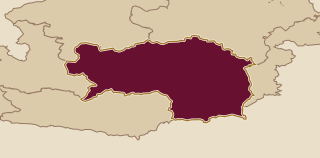
Gabersdorf sits in Südsteiermark, where Potzinger works with grapes long associated with the region and labels wines by both broad regional origin and named ried, or vineyard site. Tradition gathers Sauvignon Blanc from Ehrenhausen, Gamlitz, Leutschach and Kitzeck rather than appearing as separate village wines; Czamillonberg and Sulz narrow the focus to individual sites. The result is a range that moves from a dry regional Sauvignon Blanc shaped by several growing areas to wines with a more particular vineyard address.
The estate’s vineyards include limestone, Opok, slate and gneiss, across holdings such as Sulz, Steinriegel, Kittenberg and Czamillonberg. Those names matter most once they appear on a bottle: Ried Czamillonberg is picked in several passes and bottled on its own, while Joseph carries the Ried Sulz name. Site is therefore not decorative label language here; it determines which parcels are selected, separated and matured for a different weight of Sauvignon Blanc.
In the cellar
Vineyards and cellar
Potzinger hand-harvests grapes and selects them by hand, sometimes over several passes. For the 2025 Tradition, Sauvignon Blanc was picked at 17–19 KMW in Kabinett quality, retaining a dry, lively frame for the wine’s lime-and-herb profile. Czamillonberg is also gathered in several passes over up to two weeks, then aged on fine lees in used 300-litre barrels; the slower picking and lees contact carry the fruit toward mango, ripe gooseberry, honey and a broader texture without overt new-oak flavour.
A special autumn release of Tradition spends ten cool months on fine lees before bottling. Joseph, the estate’s top Sauvignon Blanc from Ried Sulz, includes subtle wood and is intended to develop over five to fifteen years after bottling. These are not interchangeable cellar choices: lees extend texture in the seasonal Tradition release, used barrels frame Czamillonberg’s ripe fruit, and Joseph’s wood, air and bottle age support a more layered, savoury finish.
Wines to know
The range in view
The range starts broadly, with Welschriesling, Pinot varieties, Riesling, Chardonnay, Sauvignon Blanc, aromatic whites, field blends and Zweigelt all documented. Within Sauvignon Blanc, Tradition is the regional blend: its four-area sourcing produces a firm, bone-dry wine with salty citrus and herbal fruit rather than a single-site statement. It is the label for freshness, direct acidity and a leaner body.
Sauvignon Blanc Ried Czamillonberg steps into a riper register. Yellow tropical fruit, mango, blossom honey and ripe gooseberry sit over herbal spice, while fine acidity and mineral persistence keep the palate moving. The used barrels and fine lees add texture, so peach remains on the finish rather than the wine ending as simple sweet fruit.
A useful way in
A bottle to begin with
Start with 2025 Sauvignon Blanc Tradition Steiermark. It brings together hand-picked fruit from Ehrenhausen, Gamlitz, Leutschach and Kitzeck in the estate’s main Sauvignon Blanc line, so it shows Potzinger’s choice to blend four village areas rather than bottle them separately. Expect lime, herbs, salt and fresh fruit, followed by brisk acidity, a firm dry palate and a bone-dry finish. It is the most immediate way to meet the estate’s regional Sauvignon Blanc before moving to the extra texture of Czamillonberg or the bottle-age demands of Joseph.