
Why it matters
The producer
Saint-Réol works with 235 winegrowers in Ambonnay. Its members cultivate 142 hectares and produce a total volume of 15,800 hectolitres. The cooperative produces approximately 80,000 to 100,000 bottles of Saint-Réol branded wine each year.
Only 5% of the total grape harvest goes into wines under the Saint-Réol name. The remaining grapes supply other Champagne houses. Approximately 80% of grape deliveries carry HVE or VDC sustainable agriculture certification, and Saint-Réol has approval for organic pressing and winemaking since 2023.
Place and vineyards
Where the wines begin
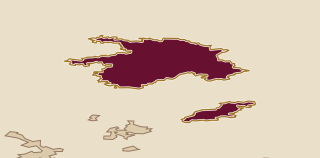
Ambonnay is a Grand Cru classified village in the Montagne de Reims. Grand Cru is Champagne's highest village classification, placing the village name within the top level of the region's hierarchy. Ambonnay is known for the richness of its Pinot Noirs.
The finest vineyard plots face southeast between 150 and 180 metres above sea level. Southeast exposure affects the timing of sunlight on the vines, while altitude can moderate ripening.
Wines to know
The range in view
The Saint-Réol label includes Grand Cru Brut. The wine includes reserve wines. Reserve wines are base wines held from earlier harvests and blended into a later cuvée, adding continuity to the finished Champagne.
The cooperative's broader grape production follows a second route to other Champagne houses, while the Saint-Réol bottlings represent a limited portion of the grapes handled. The house range is therefore defined by a focused Grand Cru Brut alongside a much larger cooperative grape operation.