
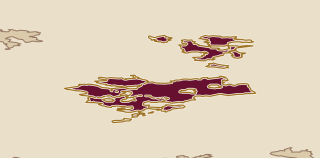
Lechinţa is a protected DOC wine area in Bistriţa-Năsăud and Mureş, within Transylvania. Frequent autumn fog and lower temperatures slow ripening while preserving aroma and high acidity. Its wines include aromatic and non-aromatic white styles, from dry to semi-sweet and sweet. Permitted grapes include Traminer Roz, Pinot Gris, Muscat Ottonel, Sauvignon, Neuburger, Italian Riesling, Fetească Regală, Fetească Albă and Chardonnay. Sauvignon can be herbaceous with a supple, balanced palate. Traminer Roz can suggest rose petals and spice, while Neuburger can show citrus and become velvety after wood maturation and bottle ageing. When a Lechinţa DOC label names a single variety, that grape must make up 100% of the wine.
Elsewhere in Transylvania
Continue through the region
- AiudNo producers listed yetAiud is a wine area within Transylvania, Romania, with a protected Romanian DOC name.
- Alba IuliaNo producers listed yetDOC Alba Iulia covers still wines from the Transylvanian Plateau, made in the delimited Alba vineyard.
- Sebeş-ApoldNo producers listed yetDOC Sebeș-Apold is a still-wine designation in the Transylvanian Plateau, covering named localities in Alba and Sibiu counties.
- TârnaveNo producers listed yetWithin Transylvania, Târnave generally gives fresher, more acid-driven wines than warmer sites in the region.