
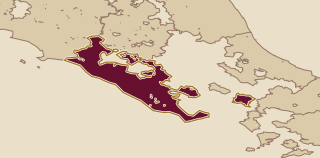
Roma DOC reaches across Sabina Romana, coastal areas, Colli Albani, Colli Prenestini and part of Campagna Romana. Its soils combine sedimentary and volcanic materials, including travertine, sand, gravel and silt. Annual rain is plentiful, while July and August are dry. Wide day-night temperature shifts allow grapes to ripen slowly and fully, and Roma DOC reds can show aroma, balance, structure and body through that ripening and phenolic maturity.
Elsewhere in Lazio
Continue through the region
- Castelli Romani & Colli Albani3 producersVolcanic soils and nearby lakes shape Castelli Romani & Colli Albani. Its DOC wines range from dry and sparkling styles to fresh reds and fruity novello bottlings.
- Ciociaria & Cesanese HillsNo producers listed yetCesanese is the key grape in these Lazio hills. Cesanese del Piglio DOCG grows on the Monti Ernici slopes, between 200 and 600 metres, on soils that range from clay to sand.
- Pontine Plain & Southern Tyrrhenian Coast1 producerCirceo anchors this coastal area with fresh whites that show citrus and apple aromas, alongside Merlot-based reds and rosatos.
- Tuscia / Viterbo (Etruria)No producers listed yetTuscia / Viterbo includes Aleatico di Gradoli, Colli Etruschi Viterbesi, Tarquinia and Vignanello.