
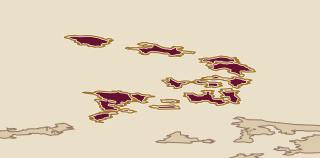
Moldovan Hills is Romania's largest wine-growing region. Its vineyard belt runs between the Moldavian Subcarpathians, the curved Carpathians, the Prut valley and the lower Siret valley. Still wines, sparkling wines and wines intended for ageing are made here from indigenous and international varieties.
Panciu made its first classic sparkling wine in 1969 and is associated with notably high acidity. Cotnari's sunny slopes and autumn conditions support white wines and, in favourable years, botrytised sweet wines from grapes including Grasă de Cotnari, Fetească Albă, Tămâioasă Românească and Frâncușă. Bohotin makes Busuioacă in white, red and rosé styles, dry through sweet, while Nicorești centres on reds based on Băbească Neagră and Fetească Neagră. Growers also contend with cold winters, late frosts, hail and heavy rain.
Inside the region
10 named areas
Each guide keeps its place within Moldovan Hills clear, with a direct route back to the map.
- 01BohotinNo producers listed yetBohotin makes aromatic Busuioacă in white, red and rosé styles. The wines range from dry to sweet, within a continental setting of chernozem and brown-red clay soils.
- 02CoteştiNo producers listed yetCoteşti pairs aromatic whites with fuller, oak-aged reds. Riesling can be lively and fruit-led, Traminer brings rose and citrus notes, and Fetească Neagră is the more substantial red side of the area.
- 03CotnariNo producers listed yetCotnari is known for whites from Grasă de Cotnari, Fetească Albă, Tămâioasă Românească and Frâncușă. Its sunny slopes and autumn conditions support sugar accumulation, and favourable years can also bring botrytised sweet wines.
- 04Dealu BujoruluiNo producers listed yetDealu Bujorului grows local and international varieties. Its light, aromatic Șarbă and fuller Merlot offer a clear contrast, while the area's viticultural research station dates from 1977.
- 05HuşiNo producers listed yetHuşi has documentary wine references dating to 1436. Its wines fall under the protected DOC Huși designation, which may be supplemented by approved single-vineyard names.
- 06IanaNo producers listed yetIana is an official DOC within the Moldova Hills wine region, listed as part of Moldovan Hills.
- 07IaşiNo producers listed yetIaşi is one of Romania's oldest vineyard areas within Moldovan Hills, with viticultural roots in the second half of the sixteenth century.
- 08NicoreştiNo producers listed yetNicoreşti is a Moldovan Hills wine area with two vineyard centres, Nicorești in the south and Buciumeni in the north. Its reds centre on Băbească Neagră, Fetească Neagră and Rubiniu de Nicorești blends.
- 09OdobeştiNo producers listed yetOdobeşti is a dedicated vineyard area in the eastern Moldova wine region, within Moldovan Hills.
- 10PanciuNo producers listed yetPanciu is a Moldovan Hills wine area associated with high acidity and classic sparkling wine. Fetească Albă, Fetească Regală, Șarbă, Galbenă de Odobești and Muscat Ottonel grow alongside international varieties.